NORML Conference, 18-19th May in Bristol

LEAP_logoThis com­ing week­end NORML UK will be hold­ing its first AGM and national con­fer­ence in Bristol.

Mr Nice, aka Howard Marks, will be open­ing the event and speak­ing on the Sat­urday night dur­ing the two-day event.

Join­ing the event to dis­cuss the need for a sens­ible and evidence-based rethink about drug policy will be many other speak­ers from groups such as Trans­form, Stu­dents for Sens­ible Drug Policy, the Beckley Found­a­tionRelease, former Chief Con­stable of Cam­bridge­shire Tom Lloyd, and of course, Law Enforce­ment Against Pro­hib­i­tion.

The head of LEAP UK, former Met police detect­ive and forensic money-laundering expert Rowan Bosworth-Davies, will be speak­ing on Sunday19th May.

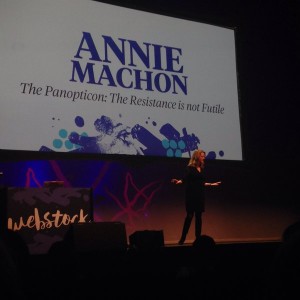
I shall be speak­ing at the con­fer­ence on the Sat­urday after­noon, and then enjoy­ing the even­ing with Howard Marks et al.  Come along if you can.

MI6 “ghost money”

Here’s the full art­icle about MI6 “ghost money”, now also pub­lished at the Huff­ing­ton Post UK:

Afghan Pres­id­ent Hamid Kar­zai, has recently been cri­ti­cised for tak­ing “ghost money” from the CIA and MI6. The sums are inev­it­ably unknown, for the usual reas­ons of “national secur­ity”, but are estim­ated to have been tens of mil­lions of dol­lars. While this is nowhere near the eyebleed­ing $12 bil­lion shipped over to Iraq on pal­lets in the wake of the inva­sion a dec­ade ago, it is still a sig­ni­fic­ant amount.

And how has this money been spent?  Cer­tainly not on social pro­jects or rebuild­ing ini­ti­at­ives.  Rather, the report­ing indic­ates, the money has been fun­nelled to Karzai’s cronies as bribes in a cor­rupt attempt to buy influ­ence in the country.

None of this sur­prises me. MI6 has a long and ignoble his­tory of try­ing to buy influ­ence in coun­tries of interest.  In 1995/96 it fun­ded a “ragtag group of Islamic extrem­ists”, headed up by a Libyan mil­it­ary intel­li­gence officer, in an illegal attempt to try to assas­sin­ate Col­onel Gad­dafi.  The attack went wrong and inno­cent people were killed.  When this scan­dal was exposed, it caused an outcry.

Yet a mere 15 years later, MI6 and the CIA were back in Libya, provid­ing sup­port to the same “rebels”, who this time suc­ceeded in cap­tur­ing, tor­tur­ing and killing Gad­dafi, while plunging Libya into appar­ently end­less interne­cine war. This time around there was little inter­na­tional out­cry, as the world’s media por­trayed this aggress­ive inter­fer­ence in a sov­er­eign state as “human­it­arian relief”.

And we also see the same in Syria now, as the CIA and MI6 are already provid­ing train­ing and com­mu­nic­a­tions sup­port to the rebels — many of whom, par­tic­u­larly the Al Nusra fac­tion in con­trol of the oil-rich north-east of Syria are in fact allied with Al Qaeda in Iraq.  So in some coun­tries the UK and USA use drones to tar­get and murder “mil­it­ants” (plus vil­la­gers, wed­ding parties and other assor­ted inno­cents), while in oth­ers they back ideo­lo­gic­ally sim­ilar groups.

Recently we have also seen the West­ern media mak­ing unveri­fied claims that the Syr­ian régime is using chem­ical weapons against its own people, and our politi­cians leap­ing on these asser­tions as jus­ti­fic­a­tion for openly provid­ing weapons to the insur­gents too. Thank­fully, other reports are now emer­ging that indic­ate it was the rebels them­selves who have been using sarin gas against the people. This may halt the rush to arms, but not doubt other sup­port will con­tinue to be offered by the West to these war criminals.

So how is MI6 secretly spend­ing UK tax­pay­ers’ money in Afgh­anistan? Accord­ing to west­ern media report­ing, it is being used to prop up war­lords and cor­rupt offi­cials. This is deeply unpop­u­lar amongst the Afghan people, lead­ing to the danger of increas­ing sup­port for a resur­gent Taliban.

There is also a sig­ni­fic­ant over­lap between the cor­rupt polit­ical estab­lish­ment and the illegal drug trade, up to and includ­ing the president’s late brother, Ahmed Wali Kar­zai.  So, another unin­ten­tional con­sequence may be that some of this unac­count­able ghost money is prop­ping up the drug trade.

Afgh­anistan is the world’s lead­ing pro­du­cer of heroin, and the UN reports that poppy growth has increased dra­mat­ic­ally. Indeed, the UN estim­ates that acre­age under poppy growth in Afgh­anistan has tripled over the last 7 years.  The value of the drug trade to the Afghan war­lords is now estim­ated to be in the region of $700 mil­lion per year.  You can buy a lot of Kalash­nikovs with that.

So on the one hand we have our west­ern gov­ern­ments bank­rupt­ing them­selves to fight the “war on ter­ror”, break­ing inter­na­tional laws and mur­der­ing mil­lions of inno­cent people across North Africa, the Middle East, and cent­ral Asia while at the same time shred­ding what remain of our hard-won civil liber­ties at home.

On the other hand, we appar­ently have MI6 and the CIA secretly bank­rolling the very people in Afgh­anistan who pro­duce 90% of the world’s heroin. And then, of course, more scarce resources can be spent on fight­ing the failed “war on drugs” and yet another pre­text is used to shred our civil liberties.

This is a luc­rat­ive eco­nomic model for the bur­geon­ing military-security complex.

How­ever, it is a lose-lose scen­ario for the rest of us.

Taken to court.…

A fun inter­view with Heimir Már Pétursson on TV2, filmed dur­ing my recent tour of Iceland:

Ice­land TV 2 from Annie Machon on Vimeo.

Silfur Egils Interview, Iceland

My recent inter­view on Iceland’s premier news dis­cus­sion show, Sil­fur Egils, hos­ted by the excel­lent Egill Helgason.

The name refers to an old Norse saga about a hero, an earlier Egill, throw­ing hand­fuls of sil­ver to the ground so he could make the Vik­ing politicos of the day scrabble around in the dirt try­ing to pick up the coins.

Plus ça change, plus c’est la même chose.

Talk at the Icelandic Centre for Investigative Journalism

Wikileaks spokes­man, Kris­tinn Hrafns­son, invited me to speak at the Icelandic Centre for Invest­ig­at­ive Journ­al­ism while I was in Ice­land in February.

While focus­ing on the inter­sec­tion and con­trol between intel­li­gence and the media, my talk also explores many of my other cur­rent areas of interest.

Ice­land Journ­al­ists talk 2013 from Annie Machon on Vimeo.

Iceland Tour

Well, this will be an inter­est­ing week.  On the invit­a­tion of Snar­rotin, the Icelandic civil liber­ties organ­isa­tion, I’m off to Ice­land for a series of talks and inter­views on behalf of Law Enforce­ment Against Pro­hib­i­tion (www​.leap​.cc).

Ice­land is an inspir­a­tional and inter­est­ing coun­try.  Fol­low­ing the 2008 credit crash, the Icelanders bucked inter­na­tional trends and actu­ally held some of their rul­ing élite — the politi­cians and bankers who had brought about these fin­an­cial prob­lems — to account.  The gov­ern­ment fell, some bankers were fired and pro­sec­uted, and the Icelandic people are hav­ing a ser­i­ous rethink about the way their demo­cracy could and should work.

And indeed why should the people pay the price for the decisions made in their name by an unac­count­able élite?  One could spe­ciously argue that the people had a mean­ing­ful choice at the bal­lot box.… but back in the real, 21st cen­tury polit­ical world, Ice­land was as stitched-up as all other notional West­ern demo­cra­cies.  The worst alleg­a­tion that can be thrown at the people was that they were dis­en­gaged, unin­volved and side­lined from how their coun­try was really run — as many of us across the West feel to this day.

But appar­ently no longer in Ice­land: since the fin­an­cial crisis the cit­izens of this small demo­cracy have re-engaged in the polit­ical pro­cess, and the future is look­ing rosy.

New, account­able politi­cians have been elec­ted to form a new gov­ern­ment. Cit­izens have been involved in draw­ing up a new con­sti­tu­tion, and heated debates are chal­len­ging the estab­lished shib­boleths of the cor­por­at­ist gov­ern­ing class: revolving around such issues as fin­ance, inter­net freedoms, free media, ter­ror­ism, and how a mod­ern coun­try should be run in the interest of the many. And next week, I hope, a rethink of the country’s oblig­a­tions to the inter­na­tional “war on drugs”.

While the issue is strenu­ously ignored by the West­ern gov­ern­ing élite, it is now widely recog­nised that the cur­rent pro­hib­i­tion strategy has failed out­right: drug traf­fick­ing and use has increased, the street price of drugs has plummeted and they are endem­ic­ally avail­able, whole com­munit­ies have been imprisoned, whole coun­tries have become narco-states and des­cen­ded into drug war viol­ence, and the only people to profit are the organ­ised crime car­tels and ter­ror­ist organ­isa­tions that reap vast profits. Oh, and of course the banks kept afloat with dirty drug money, the mil­it­ar­ised drug enforce­ment agen­cies, and the politi­cians who now, hypo­crit­ic­ally, want to look “tough on crime” des­pite alleg­a­tions that they also dabbled in their youth.….

Well, the time has come for an adult dis­cus­sion about this failed policy, using facts and not just empty rhetoric.

So, a week dis­cuss­ing all my favour­ite happy top­ics: the “war” on drugs, the “war” on ter­ror, and the “war” on the inter­net.  My type of mini-break!

LEAP_logo

UK Anonymous Radio Interview

Here’s the link to my inter­view tonight on UK Anonym­ous Radio — I had a great time and found it a fun, wide-ranging, and stim­u­lat­ing hour.  I hope you do too.  So, thank you Anonymous.

And also thank you to Kim Dot­com set­ting up the new file-sharing site, Mega, which replaces his illegally-taken-down global site, MegaUp­load.  I have some­where safe, I think, to store my interviews!

What a sham­bolic dis­grace that MegaUp­load raid was, and what a clas­sic example of the global cor­por­at­ist agenda that I dis­cuss in the interview.

I do love geeks.

The Keiser Report — my recent interview

My recent inter­view on Max Keiser’s excel­lent RT show, The Keiser Report, appar­ently now the most watched Eng­lish lan­guage news com­ment­ary show across the world.

We were dis­cuss­ing such happy sub­jects as the war on ter­ror, the war on drugs, but pre­dom­in­antly the war on the internet:

Interview, Czech National Radio

Here is a link to an in-depth inter­view I did recently at the Czech national radio sta­tion in Prague.

As a Dir­ector of Law Enforce­ment Against Pro­hib­i­tion (LEAP), I was invited to Prague by the pro­gress­ive Czech National Drug Co-ordinator, Jindrich Voboril, to speak at a drugs con­fer­ence in the Czech Par­lia­ment.

LEAP Interview on The Real News Network, October 2012

I par­ti­cip­ated in the Law Enforce­ment Against Pro­hib­i­tion (LEAP) board meet­ing last Octo­ber in Bal­timore. While there, I arranged for board mem­bers to do a series of inter­views about the failed global “war on drugs” with the excel­lent and inde­pend­ent Real News Net­work.

The tide of his­tory is with us — more and more coun­tries are speak­ing out about the fail­ure of pro­hib­i­tion.  LEAP sup­ports and con­trib­utes to this discussion.

LEAP has rep­res­ent­at­ives across the world with a wide range of pro­fes­sional expert­ise: police officers, drug czars, judges, prison gov­ernors, law­yers, drug enforce­ment officers, and even the occa­sional former spook.…

Our var­ied exper­i­ences and back­grounds have brought us to one con­clu­sion: we all assess the “war on drugs” to have been an abject fail­ure that causes more global soci­etal harm than good, as well as fund­ing organ­ised crime, ter­ror­ism and white col­lar bank crime.

We urgently need to rethink the failed UN drug conventions.

Here is the RNN inter­view I par­ti­cip­ated in, along with Brazilian Judge Maria Lucia Karam:

Interview for the Release newsletter, “TalkingDrugs”

An inter­view I did on behalf of LEAP this week for the news­let­ter of the UK cam­paign, Release.

Release, run by the indefatig­able Niamh East­wood, does excel­lent work provid­ing legal advice about drug issues, and cam­paign­ing for fairer and more com­pas­sion­ate drug laws.

The inter­view appeared in the campaign’s news­let­ter, “Talk­ing­Drugs”.

Here’s the link, and here’s the text:

Q1 What led you into think­ing that cur­rent drug policies on illi­cit drugs were failing?

My jour­ney began when I was work­ing as an intel­li­gence officer for MI5 in the 1990s.  One of my roles was invest­ig­at­ing ter­ror­ist logist­ics and work­ing closely with UK Cus­toms.  I learned then that try­ing to stop the flow of illi­cit mater­ial into the UK (whether drugs, weapons, or people) is like look­ing for a needle in the pro­ver­bial hay­stack.  Plus there is a huge over­lap between the fund­ing of organ­ised crime and ter­ror­ist groups.

Over the last dec­ade I have become a writer, com­ment­ator and pub­lic speaker on a vari­ety of inter-connected issues around intel­li­gence, the war on ter­ror, whis­tleblowers, poli­cing, and civil liber­ties.  To me, the war on drugs meshes very closely with all these top­ics.  Three years ago I was approached by LEAP to become a speaker, and then in March this year I became a mem­ber of the inter­na­tional board and also the Dir­ector of LEAP Europe in order to con­sol­id­ate the organisation’s work here.

Q2 Do you think that there are bar­ri­ers to police officers being hon­est about the effect­ive­ness of their actions to com­bat the trade in illi­cit drugs and is the greater dis­quiet amongst those involved in law enforce­ment about cur­rent policies than is pop­ularly perceived ?

Yes, abso­lutely, and it’s not just amongst the police but also the wider law enforce­ment community.

LEAP sup­port­ers, approach­ing 100,000 in over 90 coun­tries around the world, include judges, law­yers, prison gov­ernors, cus­toms and intel­li­gence officers, and former drug czars.  Within all these pro­fes­sions there is a tacit under­stand­ing that you toe the con­ven­tional line.  In my exper­i­ence, most people go into this type of work hop­ing not only to have an inter­est­ing job, but also to do some good and make a dif­fer­ence.  Many then see the social fall-out, or that friends, fam­ily or com­munity are affected by the drug wars, and many serving offi­cials do ques­tion what it is all about and what it is really achieving.

How­ever, they are there to do a job, which is uphold­ing and apply­ing the law.  The cul­tural pres­sure within such groups can make it extremely dif­fi­cult on many levels for them to speak out.

Any change to the inter­na­tional and national drug laws will have to come from the politi­cians within the UN and nation­ally.  LEAP increas­ingly con­trib­utes to the polit­ical debate and is build­ing a groundswell of sup­port inter­na­tion­ally.   Most people today will know someone who has at least tried a cur­rently illegal drug.  They also instinct­ively know this is mere social exper­i­ment­a­tion, relax­a­tion or, at worst, a health prob­lem.  And pen­al­isa­tion, impris­on­ment and a crim­inal record exacer­bates rather than helps the situation.

Q3 Does the poli­cing of drug pos­ses­sion impact the effect­ive­ness of poli­cing gen­er­ally and what bene­fits do you think could stem from ceas­ing to use law enforce­ment to attempt to dis­cour­age drug use?

There are mul­tiple strands to this issue: the diver­sion of police resources, the addi­tional crime caused by pro­hib­i­tion that is not dealt with suc­cess­fully, the diver­sion of resources from harm reduc­tion pro­grammes, the crim­in­al­isa­tion of what are essen­tially health issues, and the dis­rep­ute that res­ults for law enforcement.

The poli­cing of drug pos­ses­sion takes away vast resources from invest­ig­at­ing other crimes such as burg­lary, rape and murder.  Yet it is largely point­less – those with a drug depend­ency need health inter­ven­tions, and there will always be replace­ments for any low-level deal­ers who are arres­ted and imprisoned.  If you arrest and con­vict a rap­ist, he will not be on the streets com­mit­ting more rapes; but if you catch a drug dealer, you just cre­ate a job vacancy for which many will com­pete in ever more viol­ent ways for a slice of an incred­ibly luc­rat­ive market.

The UK anti-prohibition advocacy group, Trans­form, estim­ates that even if just can­nabis were leg­al­ised in the UK, an addi­tional $1.6 bil­lion would flow into the Brit­ish eco­nomy every year.  While tax raised on a con­trolled and reg­u­lated can­nabis trade is pre­dicted to provide the bulk of this ($1.2 bil­lion), $170 mil­lion would be saved from law enforce­ment, $155 mil­lion from the justice sys­tem, and $135 mil­lion from the prison system.

In the cur­rent eco­nomic situ­ation, can the UK afford not to con­sider altern­at­ives to the cur­rent drug war?

Also, as we have seen since the decrim­in­al­is­tion laws in Por­tugal since 2001 and Switzer­land since 1994, the “peace dividend” by end­ing the war on drugs would not only see a drop in prop­erty crimes (about 50% of which are com­mit­ted to fund drug depend­en­cies), it could also be used to fin­ance and extend harm reduc­tion pro­grammes.  As we have seen in the case of tobacco across the West, we do not need to ban a sub­stance to reduce its use; edu­ca­tion and treat­ment are far more effective.

Finally, illegal drugs are avail­able to any­one who wants to buy them on the streets of the UK.  The increas­ing mil­it­ar­isa­tion of the police to fight the war on drugs, the break­down of civil liber­ties for the same reason (mir­ror­ing the war on ter­ror), and the wide­spread flag­rant flout­ing of the drug laws by large num­bers of the pop­u­la­tion, thereby “mak­ing an ass of the law”, has led to a break­down of trust and respect between the police and the policed. One of LEAP’s aims is to rebuild this trust, this social contract.

Q4 The impact on the safety of law enforce­ment per­son­nel of the ‘war on drugs’ should be an issue for other mem­ber­ship organ­isa­tions rep­res­ent­ing the sec­tor, will you be reach­ing out to them to encour­age cam­paign­ing on the issue?

Safety is cer­tainly an issue, although we have been more for­tu­nate in Europe than our col­leagues in the USA, where the more pre­val­ent gun cul­ture leads to many more law enforce­ment deaths.  That said, gang viol­ence is on the rise across Europe where organ­ised crime gangs fight increas­ingly viol­ent turf battles.

Mex­ico has been one of the worst hit coun­tries in the world.  Since the ramp­ing up of the war on drugs  almost six years ago, over 62,000 men women and chil­dren have been tor­tured and murdered in that coun­try, and many of them had no involve­ment what­so­ever in the drugs trade.  In fact, LEAP USA has just suc­cess­fully par­ti­cip­ated in the Mex­ican Cara­van for Peace, a group of act­iv­ists and fam­il­ies high­light­ing the tragedy, that toured across the USA for a month to raise aware­ness and fin­ished with a rally in Wash­ing­ton last week.

The increas­ing viol­ence of the drugs trade and the mil­it­ar­isa­tion of the response should be of con­cern to all law enfor­cers, mem­ber­ship organ­isa­tions and allied groups work­ing in the drugs sec­tor.  We need to think urgently about how to avoid a sim­ilar spiral of viol­ence in Europe.   LEAP is happy to reach out to such organ­isa­tions to develop a more humane solution.

Q5 How would you like to see LEAP in Europe develop and will you be look­ing to lobby European policy makers in Brussels?

There are already LEAP speak­ers across most European coun­tries.  We in LEAP see the organisation’s primary goal as edu­ca­tional.  We shall be work­ing to build up speak­ing engage­ments for a wide vari­ety of groups and audi­ences, includ­ing the polit­ical sec­tor, as well as strength­en­ing our media expos­ure.  We recog­nise the valu­able work Release and other NGOs and advocacy groups are already doing across Europe, and hope that you will see that we offer a unique voice and pool of expert­ise that can be used to strengthen your work.

It is won­der­ful that so many organ­isa­tions and indeed gov­ern­ments around the world (par­tic­u­larly in Europe and Latin Amer­ica) are now focus­ing on explor­ing altern­at­ives such as decrim­in­al­is­tion and harm reduc­tion pro­grammes.  Based on our pro­fes­sional exper­i­ence, LEAP argues that we need, at very least, to con­sider the next logical step in the chain: con­trolled reg­u­la­tion of the drug mar­ket as we cur­rently do with alco­hol and tobacco.

Decrim­in­al­isa­tion may help to reduce the harm for the drug users, but leaves the drug trade in the hands of increas­ingly viol­ent global organ­ised crime net­works.  Only by remov­ing the profit motive from this illi­cit trade can we end the involve­ment of the crim­inal ele­ment and all the attend­ant viol­ence, and work to make the world safer for all.

Students for Sensible Drug Policy (SSDP) UK Conference

Last month, in my new role as Dir­ector of LEAP Europe, I was invited to do a talk at the SSDP con­fer­ence in Lon­don.  It was great to meet the key SSDP organ­isers, and also share a plat­form with Jason Reed, the co-ordinator of LEAP UK.

The stu­dent act­iv­ists of SSDP are demand­ing that our polit­ical classes instig­ate a mature, fact-based dis­cus­sion about the “war on drugs”.

Sorry to rehash all the well-known art­icles about why this “war” is such a fail­ure on every con­ceiv­able front, but just let me reit­er­ate three key points: pro­hib­i­tion will always fail (as this clas­sic “Yes Min­is­ter” scene depicts), and the reg­u­la­tion and tax­a­tion of recre­ational drugs (in the same way as alco­hol and tobacco) would be good for soci­ety and for the eco­nomy; it would decap­it­ate organ­ised crime and, in some cases, the fund­ing of ter­ror­ism; and it would make the use and pos­sible abuse of recre­ational drugs a health issue rather than a crim­inal matter.

The stu­dents get this — why can’t our politicians?

Jason and I had a warm wel­come from the SSDP. They can see the value of law enforce­ment pro­fes­sion­als — police, judges, law­yers, and cus­toms and intel­li­gence officers — using their exper­i­ence to con­trib­ute to the debate. I look for­ward to LEAP work­ing more closely with the SSDP.

And do drop me an email if you would like to help LEAP in Europe.

Just Say No — the UN Commission on Narcotic Drugs

UN_ViennaJust back from the annual United Nations happy-clappy ses­sion about drug pro­hib­i­tion in Vienna, the Com­mis­sion on Nar­cotic Drugs.  I was there as part of the del­eg­a­tion from Law Enforce­ment Against Pro­hib­i­tion (LEAP), a global cam­paign of serving and former police officers, law­yers, judges, intel­li­gence officers, cus­toms officers and prison gov­ernors, all with years of exper­i­ence on the front line of the drug war, and all of whom cam­paign against prohibition.

Why do they do this? Pre­cisely because they have, dur­ing their pro­fes­sional lives, wit­nessed the ter­rible fail­ure of the drug pro­hib­i­tion laws.

LEAP’s mes­sage is simple, logical and power­ful, and its mem­ber­ship cred­ible and exper­i­enced — have a look at the web­site.

The UN del­eg­a­tion con­sisted of former US drug pro­sec­utor Jim Gier­ach, retired Brazilian judge Maria Lucia Pereira Karam, award-winning US prison super­in­tend­ent Rick Van Wick­ler, and myself.

Need­less to say, LEAP and all this breadth of rel­ev­ant expert­ise was mar­gin­al­ised at the UN.

Un_system_chart_colourThe UN is the sine qua non of bur­eau­cra­cies, an organ­isa­tion of such Byz­antine com­plex­ity it makes your eyes bleed to look at it.

Each coun­try around the world funds the UN via vol­un­tary dona­tions. Once they have coughed up, they are allowed to send national del­eg­ates to rep­res­ent “their” interests at shindigs such as the CND. Those del­eg­ates are pre-briefed by their bur­eau­crats about the line they must take, and no dis­sent is allowed.

NGOs are notion­ally able to feed in their views to their del­eg­ates, although access is lim­ited, and over the last few years the lan­guage of the CND has indeed moved towards harm reduc­tion and children’s rights.  But this merely propag­ates the basic, flawed premise that “drugs” are bad, not that the “war on drugs” has com­pre­hens­ively failed, is ill-thought out, and act­ively dam­ages society.

3_wise_monkeysUN decisions on drug policy are made by con­sensus, which means that there is no real demo­cratic debate and that the res­ol­u­tions are so bland as to be mean­ing­less.  At no point what­so­ever are evidence-based altern­at­ive solu­tions, such as reg­u­lated leg­al­isa­tion, even whispered in the cor­ridors of power.

The CND’s key achieve­ment this year was to get all the nations to reaf­firm their com­mit­ment to the 100-year old Inter­na­tional Hague Con­ven­tion, the first drug pro­hib­i­tion law in a long and escal­at­ing legal lit­any of fail­ure and harm.  And this in the teeth of all evid­ence provided by the suc­cess­ful decrim­in­al­isa­tion exper­i­ments in Por­tugal, Switzer­land and the Neth­er­lands.

So here’s where the fun kicks in, but I stress that this is my highly per­sonal take on what it was like to attend the CND last week:

.….….

WARNING: CND appears to be a potent psy­cho­tropic drug which has unknown and poten­tially dam­aging effects on the human brain.  Expos­ure to CND for even so short a period as a week can lead to dis­or­i­ent­a­tion, numb­ness, depres­sion and a dis­lo­ca­tion from real­ity.  No data exists about the long-term psy­cho­lo­gical effects of pro­longed expos­ure, but some sub­jects can dis­play unchar­ac­ter­istic aggres­sion after only a couple of days’ exper­i­ence of CND.

CND appears to be highly addict­ive lead­ing to rapid depend­ency, and del­eg­ates return year after year for another hit. For a week, it’s party time, but then comes the crash­ing low, as they have to push CND on their own coun­tries for another long year, against all com­mon notions of decency, human­ity and community.

CND is con­tinu­ally presen­ted to vul­ner­able del­eg­ates as the only life­style choice.  Those who ques­tion its effic­acy are out­cast from the gang.  But what of the del­eg­ates’ rights to live a CND-free life, away from the peer pres­sure, bul­ly­ing and viol­ence?  What about redu­cing the harm that CND increas­ingly causes to com­munit­ies across the world?

As the god­fath­ers of CND push the line of harm reduc­tion pro­grammes, devel­op­ing coun­tries are increas­ingly drawn into a life of sor­did “money depend­ency”, even pros­ti­tut­ing them­selves polit­ic­ally to enable their con­tin­ued reli­ance on CND.

The organ­isa­tions con­trolling CND garner huge profits, and there is little polit­ical will to change the cur­rent set-up.

.….….

So, a win-win for the drug car­tels, ter­ror­ists, enforce­ment agen­cies, gov­ern­ments, bur­eau­crats and the wider global “drug war” infrastructure.

Not so good for the rest of us.

LEAP_logo

Cops Take Pro-Legalization Message to UN War on Drugs Meeting

LEAP_logo

Law Enfor­cers Say End­ing Pro­hib­i­tion Will Improve Global Secur­ity & Human Rights

VIENNA, AUSTRIA – Judges, pro­sec­utors and jail­ers who sup­port leg­al­iz­ing drugs are bring­ing their mes­sage to the United Nations Com­mis­sion on Nar­cotic Drugs meet­ing next week in Vienna. At the U.N. ses­sion, which comes just days after the Obama admin­is­tra­tion stepped-up its attempts to coun­ter­act the emer­ging anti-prohibition sen­ti­ment among sit­ting pres­id­ents in Latin Amer­ica, the pro-legalization law enforce­ment offi­cials will work to embolden national del­eg­a­tions from around the world to push back against the U.S.-led failed “war on drugs.”

VanwicklerRichard Van Wick­ler, a currently-serving jail super­in­tend­ent who will be rep­res­ent­ing Law Enforce­ment Against Pro­hib­i­tion (LEAP) in Vienna, says, “World lead­ers who believe we could bet­ter handle drug prob­lems by repla­cing crim­in­al­iz­a­tion with legal con­trol are becom­ing less and less afraid of U.S. reprisal for speak­ing out or reform­ing their nations’ policies. And for good reason.”

Van Wick­ler, who has was named 2011’s Cor­rec­tions Super­in­tend­ent of the Year by the New Hamp­shire Asso­ci­ation of Counties, explains, “Voters in at least two U.S. states will be decid­ing on meas­ures to leg­al­ize marijuana this Novem­ber. It would be pure hypo­crisy for the Amer­ican fed­eral gov­ern­ment to con­tinue force­fully push­ing a rad­ical pro­hib­i­tion­ist agenda on the rest of the world.”

In recent weeks, Pres­id­ents Otto Perez Molina of Guatem­ala, Juan Manuel San­tos of Colom­bia, Laura Chinchilla of Costa Rica and Felipe Cal­deron of Mex­ico have added their voices to the call for a ser­i­ous con­ver­sa­tion on altern­at­ives to drug pro­hib­i­tion, caus­ing U.S. Vice Pres­id­ent Joe Biden to travel to Latin Amer­ica this week in an unsuc­cess­ful attempt to quash the debate.

GierachFormer Chicago drug pro­sec­utor James Gier­ach, recently a fea­tured speaker at a con­fer­ence in Mex­ico City last month atten­ded by the first lady of Mex­ico and the former pres­id­ents of Colom­bia and Brazil, says, “The unend­ing cycle of car­tel viol­ence caused by the pro­hib­i­tion mar­ket has turned a steady trickle of former elec­ted offi­cials cri­ti­ciz­ing pro­hib­i­tion into a flood of sit­ting pres­id­ents, busi­ness lead­ers and law enforce­ment offi­cials call­ing for an out­right dis­cus­sion about leg­al­iz­a­tion. It’s time for the U.S. and the U.N. to acknow­ledge that legal con­trol, rather than crim­in­al­iz­a­tion, is a much bet­ter way to man­age our drug prob­lems. The world can have either drug pro­hib­i­tion, viol­ence and cor­rup­tion or it can have con­trolled drug leg­al­iz­a­tion with safe streets and moral fab­ric, but it can’t have both.”

The UN meet­ing in Vienna is an annual oppor­tun­ity for nations around the world to re-evaluate drug con­trol strategies and treat­ies. More inform­a­tion about the meet­ing is here

In recent years, coun­tries like Por­tugal and Mex­ico have made moves to sig­ni­fic­antly trans­form criminalization-focused drug policies into health approaches by fully decrim­in­al­iz­ing pos­ses­sion of small amounts of all drugs. Still, no coun­try has yet to leg­al­ize and reg­u­late the sale of any of these drugs. Doing so, the pro-legalization law enfor­cers point out, would be the only way to pre­vent viol­ent transna­tional crim­inal organ­iz­a­tions from profit­ing in the drug trade.

Maria.KaramAlso attend­ing the con­fer­ence on behalf of LEAP will be former Brazilian judge Maria Lucia Karam and former UK MI5 intel­li­gence officer Annie Machon.

Law Enforce­ment Against Pro­hib­i­tion (LEAP) rep­res­ents police, pro­sec­utors, judges, FBI/DEA agents and oth­ers who sup­port leg­al­iz­a­tion after fight­ing on the front lines of the “war on drugs” and learn­ing firsthand that pro­hib­i­tion only serves to worsen addic­tion and viol­ence. More info can be found here.

CONTACT:

Tom Angell: 001 202 557‑4979 or media@leap.cc

Shaleen Title: 001 617 955‑9638 or speakers@leap.cc